How Do I Choose the Right LED Driver?
2023-09-12
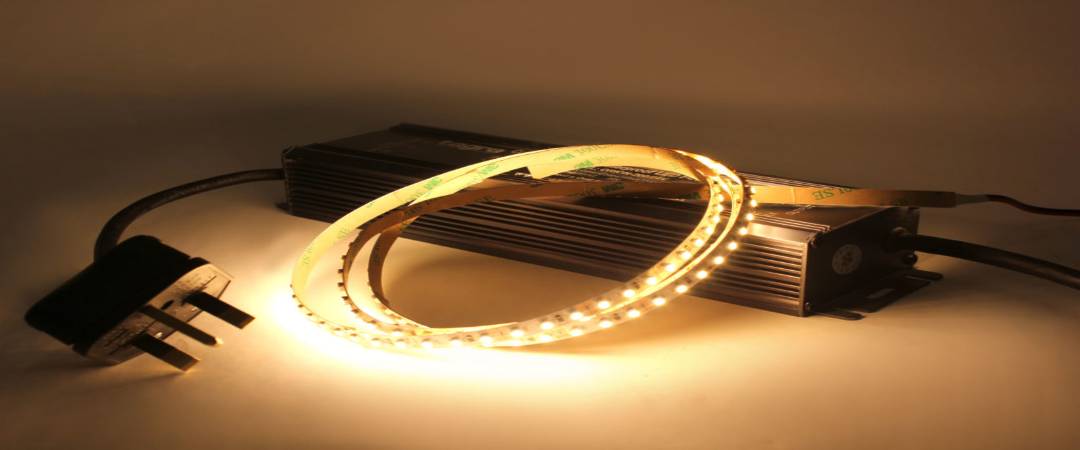
When it comes to developing LED fixtures, maintaining existing ones, or purchasing LED lights, one of the critical decisions you need to make is choosing the right LED driver or power supply. The selection process involves considering various factors to ensure optimal performance and longevity for your LED lighting system.
In this comprehensive guide, we will delve into the key considerations and provide you with the information you need to make an informed decision, ensuring that you won't encounter any difficulties in choosing the best LED drivers for your specific requirements.
Constant Current Driver
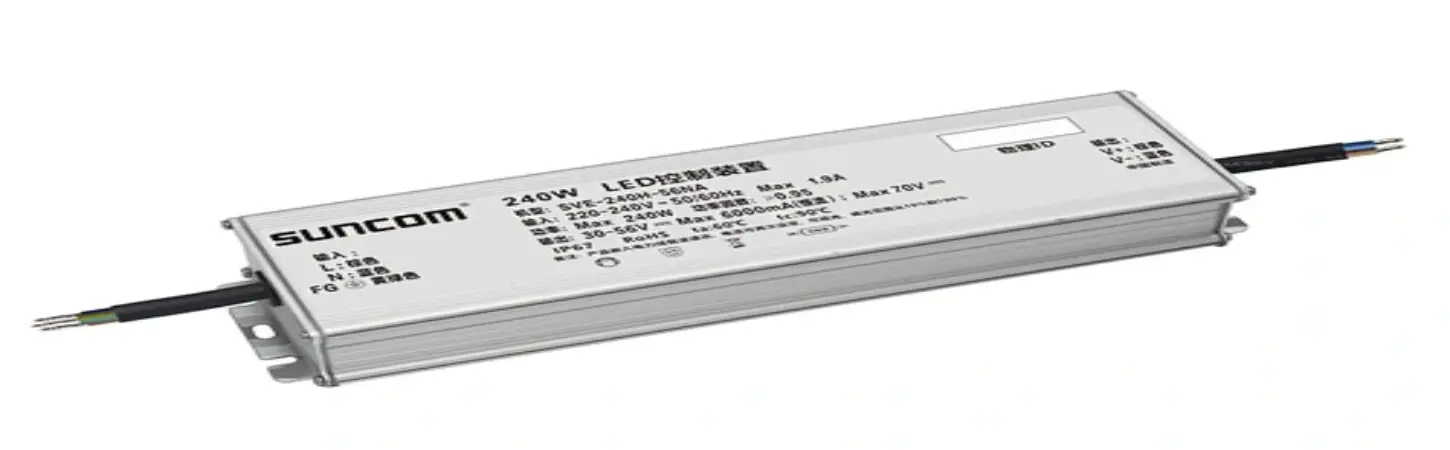
A constant current driver, often referred to as a constant current LED driver or LED driver with constant current output, is an electronic device used to regulate and provide a consistent and controlled current supply to LED (Light Emitting Diode) lighting fixtures. This type of driver is essential for ensuring the proper operation and longevity of LEDs, as LEDs require a stable current to function correctly and maintain their brightness and color consistency.
Here's how a constant current driver works:
Regulated Current: The primary function of a constant current driver is to maintain a specific, constant current level flowing through the LEDs. Unlike other electrical components, LEDs are highly sensitive to variations in current. If the current supplied to an LED exceeds its specified rating, it can lead to overheating and reduced lifespan. Conversely, insufficient current can result in dim or erratic illumination.
Variable Voltage: Unlike constant voltage drivers, where the voltage remains fixed and the current varies, constant current drivers keep the current steady and allow the voltage to fluctuate based on the LED's requirements. This means that when you connect multiple LEDs in series, the driver will adjust the voltage to maintain the desired current level.
Thermal Management: Constant current drivers often incorporate thermal management features to prevent LEDs from overheating. If the LEDs generate excess heat, the driver can reduce the current to protect the LEDs and maintain their performance.
Efficiency: Constant current drivers are designed for high efficiency and can adapt to changes in load conditions, ensuring that LEDs receive the optimal current regardless of variations in the electrical supply.
Constant current drivers are commonly used in a variety of LED applications, including residential lighting, commercial lighting, street lighting, automotive lighting, and more. They are available in different wattages and current ratings to match the specific requirements of the LEDs they are driving. Choosing the right constant current driver is essential to ensure the proper functioning and longevity of LED lighting systems.
Constant Voltage Driver
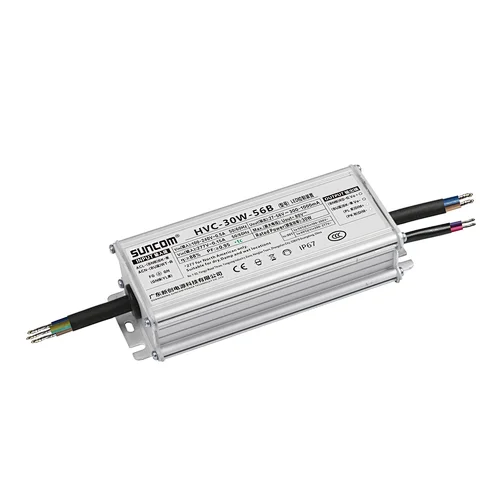
A constant voltage driver, also known as a constant voltage LED driver or LED driver with constant voltage output, is an electronic device designed to provide a stable and consistent voltage supply to LED (Light Emitting Diode) lighting fixtures. Unlike constant current drivers that maintain a fixed current while allowing voltage to vary, constant voltage drivers maintain a constant voltage level while allowing the current to fluctuate based on the LED load.
Here's how a constant voltage driver works:
Regulated Voltage: The primary function of a constant voltage driver is to provide a consistent voltage level to the connected LED lights. Common voltage outputs for constant voltage drivers include 12 volts (VDC) and 24 volts (VDC), although other voltage levels may be used depending on the application.
Variable Current: In a constant voltage setup, the current supplied to the LEDs can vary based on the LED load. When you connect multiple LEDs in parallel to a constant voltage driver, each LED will draw the current it requires, as determined by its forward voltage and electrical resistance. This means that the current is not fixed and can vary depending on the number and type of LEDs connected to the driver.
Versatility: Constant voltage drivers are versatile and suitable for various LED applications. They are often used in scenarios where a single driver needs to power multiple LEDs simultaneously, such as LED strip lighting, signage, architectural lighting, and accent lighting.
Compatibility: Constant voltage drivers are compatible with a wide range of LED products, making them a popular choice for general lighting applications. However, it's essential to ensure that the voltage output of the driver matches the voltage requirements of the LEDs being used.
Simple Wiring: Constant voltage drivers simplify the wiring process since LEDs are typically connected in parallel. This means that each LED receives the same voltage, making installation more straightforward.
It's important to note that while constant voltage drivers are suitable for many LED lighting applications, they may not be suitable for all scenarios. Some high-power or specialty LED fixtures may require constant current drivers to maintain precise current control and ensure optimal performance. Therefore, the choice between constant voltage and constant current drivers depends on the specific requirements of the LED lighting system being used.
Wattage
A constant-voltage power source must be selected based on your lighting system's wattage. If your project requires more than one light source, you will have to determine the overall number of watts consumed. Your power source should be large enough to handle the total wattage of all lights. Select a power supply rated 20% higher than the total wattage of your lighting system to avoid overworking the power supply.
Voltage/Current
When creating an LED fixture, it is crucial to confirm that the driver’s output current and voltage are compatible with the LED’s currents and voltages. Verify the product's operating requirements and ensure it matches the power supply's or driver's specifications. Make sure the input voltage of the power supply or driver is compatible with the system in which it will be installed.
Using a 12-volt DC-operated LED tape in a home with 120-volt electricity requires a power supply that accepts 120 volts in its input range and a 12-volt DC output. Due to its high voltage, a 24-volt DC power supply is not compatible with LED tape, so it cannot be used.
Select a constant-current lighting driver for LED bulbs that meets the current and voltage requirements of the LEDs.
What Is an LED Driver and How Does It Work?
What Are LED Drivers and How Do I Choose Them?
Related Article
This article explains the core principles of both dimming logics, their hardware implementations, and key practical considerations for field deployment.
Understanding Positive and Negative Logic Dimming in LED Driver

Understanding LED Constant Current LED driver for Outdoor Lighting
LED Constant Current Drivers: The Core Heart of Outdoor Luminaires