What Are LED Drivers and How Do I Choose Them?
2023-09-04
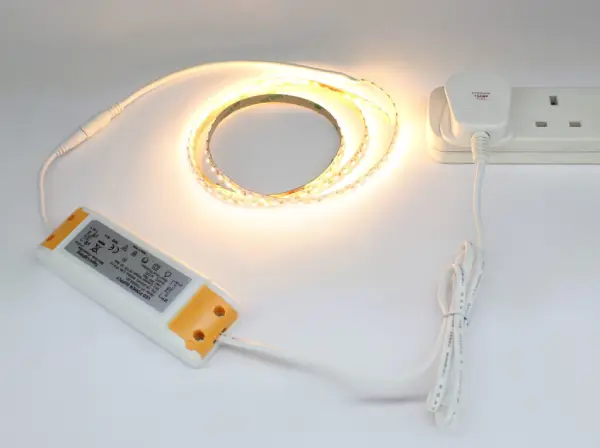
It can be confusing to choose LED drivers due to the many different types and variations. It can seem very overwhelming at times. That's why I wanted to write a quick post explaining the varieties, what makes them different, and what to look for when choosing LED drivers.
What is an LED driver?
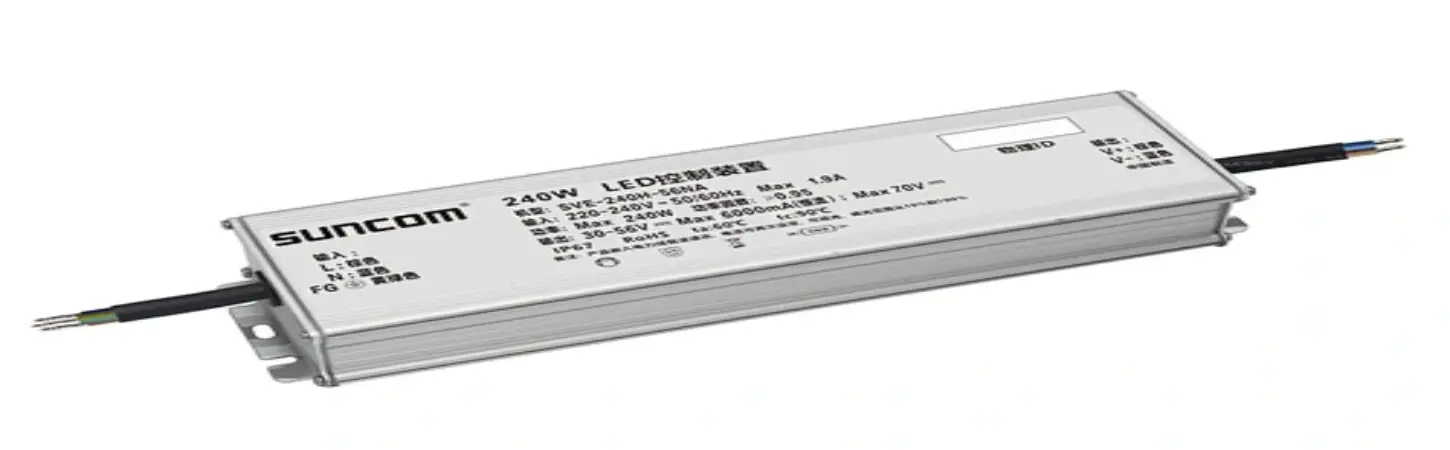
Essentially, an LED driver is the device that regulates the flow of power to an LED or to a string of LEDs. It is a vital part of an LED circuit that if it is not present will result in a system failure.
In order to prevent damage to your LEDs, you must use a forward voltage (Vf) converter. This is very important since the forward voltage (Vf) of a high-power LED changes with temperature. Light emitting diodes require a certain amount of volts to conduct electricity and light up. As the temperature rises, the forward voltage of the LED decreases, resulting in the LED drawing more current, causing the LED to burn itself out. This is referred to as Thermal Runaway because the LED will get hotter and draw more current until it burns out. LED drivers are self-contained power supplies whose outputs match the LED(s) electrical characteristics. In this way, thermal runaway is avoided as the constant current LED driver compensates for changes in forward voltage while delivering a constant current to the LED.
In order to prevent damage to your LEDs, you must use a forward voltage (Vf) converter. This is very important since the forward voltage (Vf) of a high-power LED changes with temperature. Light emitting diodes require a certain amount of volts to conduct electricity and light up. As the temperature rises, the forward voltage of the LED decreases, resulting in the LED drawing more current, causing the LED to burn itself out. This is referred to as Thermal Runaway because the LED will get hotter and draw more current until it burns out. LED drivers are self-contained power supplies whose outputs match the LED(s) electrical characteristics. In this way, thermal runaway is avoided as the constant current LED driver compensates for changes in forward voltage while delivering a constant current to the LED.
Types of LED Drivers
Let's explore the types of LED drivers available in the market:
1. Constant Current LED Drivers:
Explanation: Constant current LED drivers provide a steady current output to LED arrays. They ensure that LEDs receive a consistent current regardless of variations in voltage.
How They Work: Constant current drivers adjust the voltage supplied to the LEDs to maintain a consistent current flow, allowing for stable and reliable LED operation.
Applications: Constant current LED drivers are commonly used in applications where precise control of the LED current is crucial, such as high-brightness LED lighting, signage, and automotive lighting.
How They Work: Constant current drivers adjust the voltage supplied to the LEDs to maintain a consistent current flow, allowing for stable and reliable LED operation.
Applications: Constant current LED drivers are commonly used in applications where precise control of the LED current is crucial, such as high-brightness LED lighting, signage, and automotive lighting.
2. Constant Voltage LED Drivers:
Explanation: Constant voltage LED drivers maintain a stable voltage output, allowing multiple LEDs to be connected in parallel. They ensure that the voltage across the LEDs remains constant.
How They Work: These drivers maintain a fixed voltage output while the LED current can vary based on the resistance in the circuit.
Applications: Constant voltage LED drivers are often used in applications where multiple LEDs are connected in parallel, such as LED strips, architectural lighting, and applications requiring dimming.
How They Work: These drivers maintain a fixed voltage output while the LED current can vary based on the resistance in the circuit.
Applications: Constant voltage LED drivers are often used in applications where multiple LEDs are connected in parallel, such as LED strips, architectural lighting, and applications requiring dimming.
3. Dimmable LED Drivers:
Explanation: Dimmable LED drivers allow users to adjust the brightness of LED lighting fixtures. They offer flexibility in controlling light intensity.
How They Work: Dimmable drivers incorporate various dimming control methods like Pulse Width Modulation (PWM), 0-10V, Digital Addressable Lighting Interface (DALI), or analog dimming to regulate LED brightness.
Applications: Dimmable LED drivers are popular in settings where adjustable lighting levels are desired, such as residential lighting, commercial spaces, and architectural lighting.
How They Work: Dimmable drivers incorporate various dimming control methods like Pulse Width Modulation (PWM), 0-10V, Digital Addressable Lighting Interface (DALI), or analog dimming to regulate LED brightness.
Applications: Dimmable LED drivers are popular in settings where adjustable lighting levels are desired, such as residential lighting, commercial spaces, and architectural lighting.
4. High Voltage LED Drivers:
Explanation: High voltage LED drivers are designed to operate at higher input voltage levels, making them suitable for applications with higher voltage power sources.
Applications: They are commonly used in industrial and outdoor lighting applications where high voltage supplies are readily available.
Applications: They are commonly used in industrial and outdoor lighting applications where high voltage supplies are readily available.
5. Low Voltage LED Drivers:
Explanation: Low voltage LED drivers are designed to operate at lower input voltage levels, often seen in battery-powered or low voltage systems.
Applications: They find use in automotive lighting, portable devices, off-grid lighting solutions, and other applications where low voltage sources are predominant.
Applications: They find use in automotive lighting, portable devices, off-grid lighting solutions, and other applications where low voltage sources are predominant.
6. AC-DC LED Drivers:
Explanation: AC-DC LED drivers convert alternating current (AC) from the power source into direct current (DC) suitable for LEDs.
Applications: They are commonly used in standard household lighting fixtures that connect to the AC power grid.
Applications: They are commonly used in standard household lighting fixtures that connect to the AC power grid.
7. DC-DC LED Drivers:
Explanation: DC-DC LED drivers convert one DC voltage to another, which is useful in scenarios where the LED load requires a different voltage than the power source provides.
Applications: They are used in various applications where DC power sources, such as batteries or solar panels, are the primary power supply for LEDs.
Applications: They are used in various applications where DC power sources, such as batteries or solar panels, are the primary power supply for LEDs.
Understanding the different types of LED drivers and their applications is essential for choosing the right driver for specific lighting projects, ensuring optimal performance and longevity of LED systems.
Factors to Consider When Choosing an LED Driver
When choosing an LED driver for your lighting project, several important factors should be considered to ensure compatibility, performance, and efficiency. Here are the key factors to keep in mind:
- LED Voltage and Current Requirements:
Determine the voltage and current requirements of your LED load. LED drivers should match these requirements to provide the correct power supply for your LEDs.
- Type of LED Driver:
Decide whether you need a constant current or constant voltage LED driver based on your LED configuration and application. Constant current drivers are suitable for individual LEDs or series-connected LEDs, while constant voltage drivers are ideal for parallel-connected LEDs.
- Dimming Capabilities:
If dimming is a requirement, choose an LED driver that supports the desired dimming method, such as PWM (Pulse Width Modulation), 0-10V, DALI (Digital Addressable Lighting Interface), or analog dimming. Ensure compatibility with your dimming control system.
- Efficiency and Power Factor:
Look for LED drivers with high efficiency ratings. Efficiency measures how effectively the driver converts electrical power to light output. A high power factor (PF) is also desirable as it indicates efficient power utilization.
- Input Voltage Range:
Ensure that the LED driver's input voltage range matches the available power source. Some drivers are designed for specific voltage ranges, while others have a broader input voltage tolerance.
- Environmental Conditions:
Consider the environmental conditions where the LED driver will be used. If it will be exposed to moisture, dust, extreme temperatures, or other harsh conditions, choose a driver with the appropriate IP (Ingress Protection) rating and environmental certifications.
- Certifications and Compliance:
Check if the LED driver complies with industry standards and regulations. Certifications like UL (Underwriters Laboratories), CE (Conformité Européene), and RoHS (Restriction of Hazardous Substances) can ensure safety and compliance with environmental standards.
- Load Size and Type:
Determine the total wattage or current draw of your LED load. Ensure that the LED driver can handle the load size. Some drivers are designed for specific load ranges, so select one that matches your application.
- Heat Dissipation and Cooling:
Consider the thermal management of the LED driver. LED drivers generate heat, and proper heat dissipation is essential for their longevity and reliability. Ensure that the driver has adequate cooling mechanisms or can be installed in a suitable location.
- Protection Features:
Look for LED drivers with built-in protection features such as overcurrent protection, overvoltage protection, and short-circuit protection. These safeguards can prevent damage to both the driver and the LEDs.
- Compatibility with Control Systems:
If your project involves complex lighting control systems, ensure that the LED driver is compatible with the control protocols and interfaces you plan to use.
- Budget Considerations:
Evaluate your budget for the LED driver. Keep in mind that high-quality drivers with advanced features may come at a higher cost but can provide long-term reliability and energy savings.
- Warranty and Manufacturer Reputation:
Check the warranty offered by the manufacturer and their reputation for product quality and customer support. A reliable manufacturer can provide assistance if issues arise.
By carefully considering these factors, you can select the most suitable LED driver for your lighting project, ensuring optimal performance, energy efficiency, and longevity of your LED lighting system.
How Do I Choose the Right LED Driver?
Types of LED Drivers: Constant Current vs. Constant Voltage
Related Article
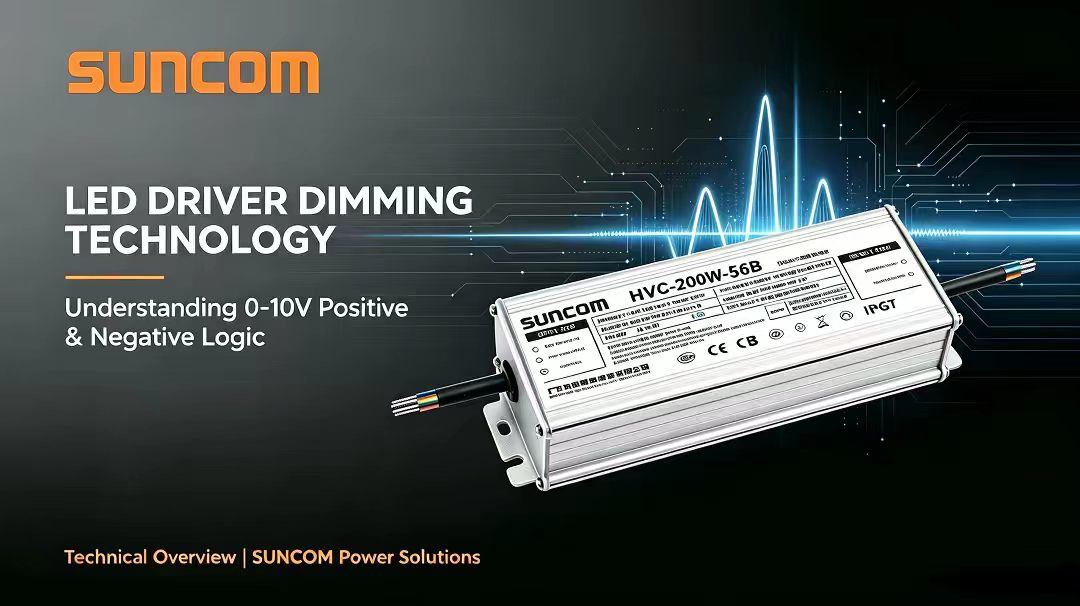
This article explains the core principles of both dimming logics, their hardware implementations, and key practical considerations for field deployment.
Understanding Positive and Negative Logic Dimming in LED Driver
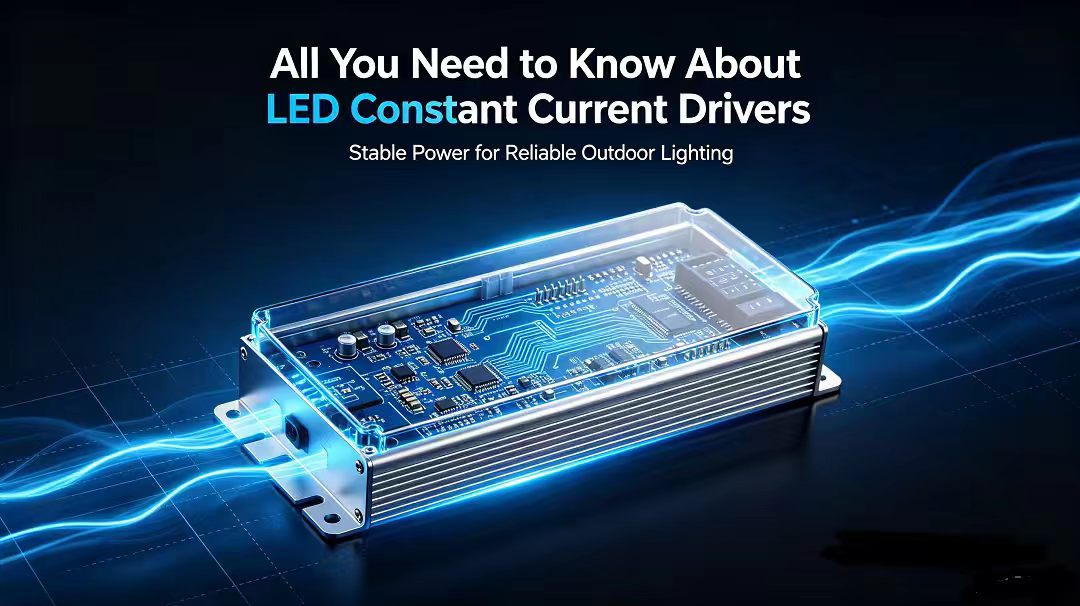
Understanding LED Constant Current LED driver for Outdoor Lighting
LED Constant Current Drivers: The Core Heart of Outdoor Luminaires