Beginner's Guide to Low Voltage Landscape Lighting
2024-05-28
Landscape lighting holds the magical power to metamorphose your home and yard, turning them from a dreary tale into a fairy-like haven at the flick of a switch.
Beyond their decorative charm, landscape lights offer practical advantages, extending the usability of your outdoor space well after dusk while enhancing safety, security, and visual allure. Yet, not all landscape lighting systems are created equal. Subpar installations may inadvertently detract from your property's charm rather than enhance it.
In this beginner's guide, we'll embark on an illuminating journey, equipping you with the knowledge needed to adorn your outdoors with both style and efficiency.
Beyond their decorative charm, landscape lights offer practical advantages, extending the usability of your outdoor space well after dusk while enhancing safety, security, and visual allure. Yet, not all landscape lighting systems are created equal. Subpar installations may inadvertently detract from your property's charm rather than enhance it.
In this beginner's guide, we'll embark on an illuminating journey, equipping you with the knowledge needed to adorn your outdoors with both style and efficiency.

What Is Low Voltage Landscape Lighting?
Low voltage landscape lighting refers to an outdoor lighting system that operates on a low voltage, typically 12 volts or less, as opposed to the standard household voltage of 120 volts. This type of lighting is commonly used to illuminate outdoor spaces such as gardens, pathways, patios, and driveways.
Low voltage landscape lighting systems typically consist of several components, including a transformer, lighting fixtures, wiring, and accessories such as connectors and timers. The transformer reduces the standard household voltage to a safer and more manageable low voltage, allowing for safer installation and operation.
Low voltage landscape lighting offers several advantages over traditional high voltage lighting systems, including:
Low voltage landscape lighting systems typically consist of several components, including a transformer, lighting fixtures, wiring, and accessories such as connectors and timers. The transformer reduces the standard household voltage to a safer and more manageable low voltage, allowing for safer installation and operation.
Low voltage landscape lighting offers several advantages over traditional high voltage lighting systems, including:
- Energy Efficiency: Low voltage lighting consumes less energy, resulting in lower electricity bills and reduced environmental impact.
- Safety: The lower voltage of these systems reduces the risk of electrical shock, making them safer to install and use, especially in outdoor environments.
- Flexibility: Low voltage landscape lighting systems are flexible and versatile, allowing for easy installation and customization to suit various outdoor lighting needs.
- Durability: These lighting systems are typically designed to withstand outdoor conditions such as rain, snow, and extreme temperatures, ensuring long-lasting performance and durability.
- Aesthetic Appeal: Low voltage landscape lighting can enhance the beauty of outdoor spaces, highlighting landscaping features, architectural elements, and creating ambiance.
Overall, low voltage landscape lighting is a practical, energy-efficient, and versatile option for illuminating outdoor spaces while adding beauty and functionality to your landscape design.
How Does Low Voltage Landscape Lighting Work?
Low voltage landscape lighting works by using a transformer to reduce the standard household voltage (typically 120 volts) to a safer and more manageable low voltage, usually around 12 volts. This lower voltage is then distributed to the lighting fixtures through a system of wiring, allowing them to illuminate outdoor spaces such as gardens, pathways, and patios.
Here's how the process works:
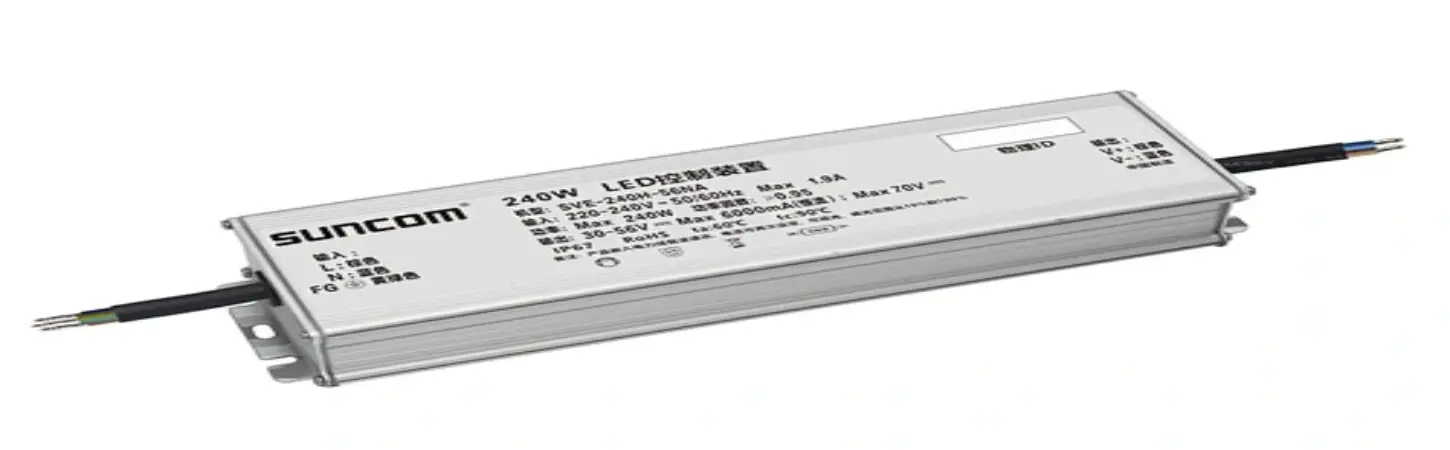
- Transformer: The heart of the low voltage landscape lighting system is the transformer. This device plugs into a standard electrical outlet and converts the high voltage from the outlet to the low voltage required for the lighting system. Transformers are typically installed outdoors near the lighting fixtures or hidden inside a weatherproof enclosure.
- Wiring: Once the voltage is stepped down by the transformer, low voltage wiring carries the electricity from the transformer to the lighting fixtures. This wiring is specially designed for outdoor use and is typically buried underground or concealed within landscape features to minimize visibility and protect it from the elements.
- Lighting Fixtures: Low voltage landscape lighting fixtures come in various styles and designs, including path lights, spotlights, well lights, and deck lights. These fixtures are connected to the low voltage wiring and positioned strategically throughout the outdoor space to achieve the desired lighting effects.
- Accessories: In addition to the transformer, wiring, and lighting fixtures, low voltage landscape lighting systems may include accessories such as connectors, timers, photocells, and remote controls. These accessories help customize the system and enhance its functionality, allowing for features like automatic on/off scheduling, dusk-to-dawn operation, and remote control operation.
How to Install Low Voltage Landscape Lighting?

Installing low voltage landscape lighting is a relatively straightforward process that can be accomplished by following these steps:
1.Plan Your Layout
- Determine the areas of your outdoor space that you want to illuminate, such as pathways, gardens, or architectural features.
- Sketch out a rough layout of where you want to place your lighting fixtures, taking into account the location of power sources and potential obstacles.
2.Gather Your Materials
- Purchase a low voltage landscape lighting kit or gather the necessary components, including lighting fixtures, a transformer, low voltage wiring, connectors, and accessories.
- Ensure that all components are suitable for outdoor use and compatible with each other.
3.Install the Transformer
- Choose a suitable location for the transformer, preferably near a power source and protected from the elements.
- Mount the transformer to a wall or stake it securely into the ground, following the manufacturer's instructions.
- Connect the transformer to the power source using outdoor-rated electrical cable and waterproof connectors.
4.Lay Out the Wiring
- Lay out the low voltage wiring along the planned lighting paths, burying it underground or concealing it within landscape features.
- Use a shovel or trenching tool to create a shallow trench for the wiring, ensuring that it is buried at least 6-8 inches deep to protect it from damage.
- Connect the wiring to the transformer using waterproof connectors, following the manufacturer's instructions.
5.Install the Lighting Fixtures
- Position the lighting fixtures according to your layout plan, ensuring that they are spaced evenly and angled correctly to achieve the desired lighting effects.
- Attach each fixture to the low voltage wiring using waterproof connectors, following the manufacturer's instructions.
- Secure the fixtures in place using stakes or mounting brackets, making sure they are stable and level.
6.Connect the Fixtures
- Connect the lighting fixtures to the low voltage wiring using waterproof connectors, ensuring that all connections are secure and insulated.
- Test each fixture to ensure that it is receiving power and illuminating properly.
7.Adjust and Test the System
- Adjust the positioning and angle of the fixtures as needed to achieve the desired lighting effects.
- Test the entire lighting system to ensure that all fixtures are functioning correctly and providing the desired illumination.
- Make any necessary adjustments or repairs before finalizing the installation.
8.Seal and Conceal
- Once the installation is complete, seal any exposed wiring connections with waterproof tape or silicone sealant to protect them from moisture and corrosion.
- Conceal any visible wiring or transformer cords using landscaping features or decorative elements to create a seamless and polished look.
At Gdsuncom.com, we provide a diverse selection of LED drivers tailored for both indoor and outdoor LED lighting applications. Selecting the appropriate LED driver is crucial as it serves as the primary device responsible for regulating the power supply to your LED lighting fixtures. If you're uncertain about which LED driver best suits your transformer, feel free to reach out to us at +86 760 28168132. Our dedicated support team is readily available to assist you in making the right choice for your lighting needs.
How to Connect a LED Strip Light to a LED Driver
Using LED Drivers to Provide Flicker-Free Lighting for Health and Comfort
Related Article
This article explains the core principles of both dimming logics, their hardware implementations, and key practical considerations for field deployment.
Understanding Positive and Negative Logic Dimming in LED Driver
Understanding LED Constant Current LED driver for Outdoor Lighting
LED Constant Current Drivers: The Core Heart of Outdoor Luminaires