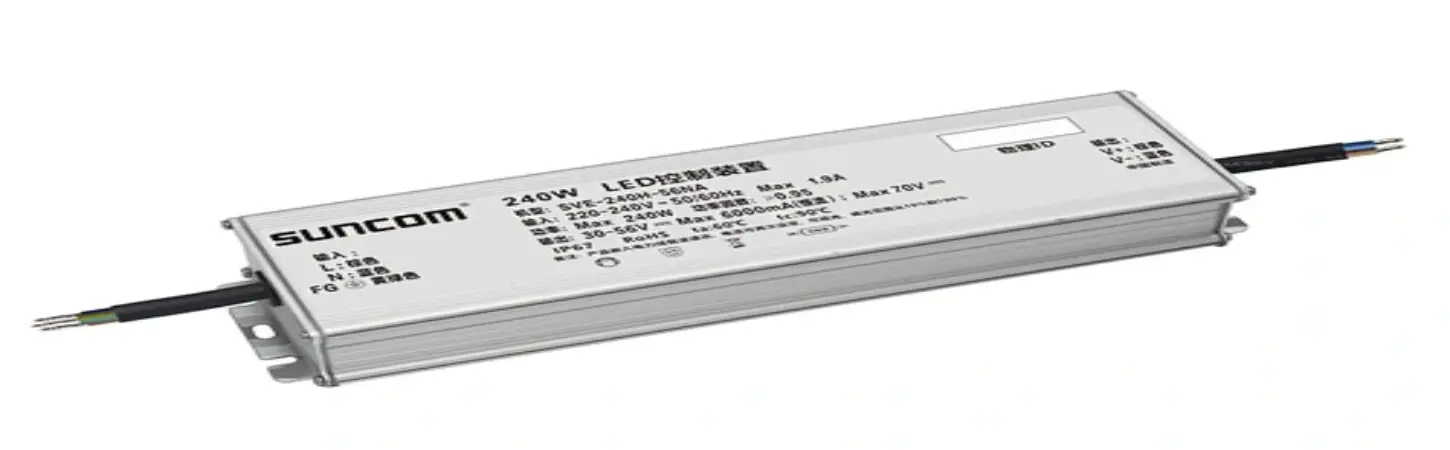
Differences Between Class 1 and 2 LED Drivers
2024-03-12
When it comes to power LED lights, not all drivers are created equal. For lighting systems to work properly, it is important to understand the differences between LED driver classes. LED drivers can be classified in two separate ways. It is common to see descriptions for classes I, II, and 1. A description written in Arabic has a completely different meaning from a classification using Roman numerals. What are the differences between them? Let's take a closer look at this important topic.
What Is Class 1 LED Driver?
Class 1 LED drivers, also known as Class I LED drivers, refer to power supplies designed to power LED lighting systems that are considered to have an extra layer of safety insulation. These drivers typically provide basic protection against electric shock and are grounded. Class 1 LED drivers are characterized by:
1.Safety Ground Connection: Class 1 LED drivers require a safety ground connection to provide a path for fault currents. This helps to protect against electric shock hazards in case of a fault.
2.Metal Enclosure: They often feature metal enclosures to provide additional protection against electrical hazards and to help dissipate heat generated during operation.
3.Isolation: Class 1 LED drivers are isolated from the input power source, which means there is a physical barrier between the input and output circuits. This isolation enhances safety by preventing direct contact with hazardous voltages.
4.Suitable for Wet Locations: They are suitable for use in wet or damp locations, as they offer a higher level of protection against moisture ingress and electrical hazards.
5.Compliance with Safety Standards: Class 1 LED drivers comply with stringent safety standards such as UL (Underwriters Laboratories) 8750, which ensures that they meet specific safety requirements for LED lighting applications.
1.Safety Ground Connection: Class 1 LED drivers require a safety ground connection to provide a path for fault currents. This helps to protect against electric shock hazards in case of a fault.
2.Metal Enclosure: They often feature metal enclosures to provide additional protection against electrical hazards and to help dissipate heat generated during operation.
3.Isolation: Class 1 LED drivers are isolated from the input power source, which means there is a physical barrier between the input and output circuits. This isolation enhances safety by preventing direct contact with hazardous voltages.
4.Suitable for Wet Locations: They are suitable for use in wet or damp locations, as they offer a higher level of protection against moisture ingress and electrical hazards.
5.Compliance with Safety Standards: Class 1 LED drivers comply with stringent safety standards such as UL (Underwriters Laboratories) 8750, which ensures that they meet specific safety requirements for LED lighting applications.
What Is Class 2 Driver LED?
Class 2 LED drivers, also known as Class II LED drivers, are power supplies designed specifically for low voltage LED lighting systems. Unlike Class 1 drivers, Class 2 drivers are characterized by providing limited power output and offering a lower level of protection against electric shock. Here are some key features of Class 2 LED drivers:
1.Limited Output Power: Class 2 LED drivers are limited in terms of output power, typically providing no more than 60 volts DC and 100 watts of power. This limited power output reduces the risk of electric shock and fire hazards.
2.No Safety Ground Connection Required: Unlike Class 1 drivers, Class 2 drivers do not require a safety ground connection. This is because they are designed to provide protection against electric shock through electrical isolation and by limiting the output power.
3.Plastic Enclosure: Class 2 LED drivers often feature plastic enclosures, which are less expensive and lighter compared to metal enclosures used in Class 1 drivers. However, plastic enclosures offer less protection against electrical hazards and heat dissipation.
4.Not Suitable for Wet Locations: Class 2 LED drivers are not suitable for use in wet or damp locations as they provide limited protection against moisture ingress and electrical hazards.
6.Compliance with Safety Standards: Class 2 LED drivers comply with safety standards such as UL 1310, which specifies safety requirements for power supplies used in LED lighting applications. These standards ensure that Class 2 drivers meet certain safety criteria to reduce the risk of electric shock and fire hazards.
1.Limited Output Power: Class 2 LED drivers are limited in terms of output power, typically providing no more than 60 volts DC and 100 watts of power. This limited power output reduces the risk of electric shock and fire hazards.
2.No Safety Ground Connection Required: Unlike Class 1 drivers, Class 2 drivers do not require a safety ground connection. This is because they are designed to provide protection against electric shock through electrical isolation and by limiting the output power.
3.Plastic Enclosure: Class 2 LED drivers often feature plastic enclosures, which are less expensive and lighter compared to metal enclosures used in Class 1 drivers. However, plastic enclosures offer less protection against electrical hazards and heat dissipation.
4.Not Suitable for Wet Locations: Class 2 LED drivers are not suitable for use in wet or damp locations as they provide limited protection against moisture ingress and electrical hazards.
6.Compliance with Safety Standards: Class 2 LED drivers comply with safety standards such as UL 1310, which specifies safety requirements for power supplies used in LED lighting applications. These standards ensure that Class 2 drivers meet certain safety criteria to reduce the risk of electric shock and fire hazards.
Differences Between Class 1 and 2 LED Drivers
LED drivers are essential components in LED lighting systems, responsible for regulating the power supplied to the LEDs, ensuring they operate within their optimal voltage and current ranges. Class 1 and Class 2 LED drivers refer to different types of electrical safety classifications based on their insulation and safety features. Here are the key differences between Class 1 and Class 2 LED drivers:
1.Safety Classification
Class 1: Class 1 LED drivers are considered "earthed" or "grounded" drivers. They provide an extra layer of safety by connecting the metal casing of the LED driver to the ground, which helps protect against electric shock in case of a fault. Class 1 drivers typically have metal enclosures and require a ground connection.
Class 2: Class 2 LED drivers are referred to as "double insulated" or "SELV" (Safety Extra-Low Voltage) drivers. They do not require a ground connection because they provide two layers of insulation to protect against electric shock. Class 2 drivers are often housed in plastic enclosures and are suitable for installations where grounding might be difficult or not available.
Class 2: Class 2 LED drivers are referred to as "double insulated" or "SELV" (Safety Extra-Low Voltage) drivers. They do not require a ground connection because they provide two layers of insulation to protect against electric shock. Class 2 drivers are often housed in plastic enclosures and are suitable for installations where grounding might be difficult or not available.
2.Voltage and Current Limits
Class 1: Class 1 drivers can handle higher voltages and currents compared to Class 2 drivers. They are suitable for applications where higher power levels are required.
Class 2: Class 2 drivers are designed for lower voltage and current levels. They are limited to a maximum output voltage of 60 volts DC and a maximum output current of 8 amps. These limits ensure safety by reducing the risk of electric shock.
Class 2: Class 2 drivers are designed for lower voltage and current levels. They are limited to a maximum output voltage of 60 volts DC and a maximum output current of 8 amps. These limits ensure safety by reducing the risk of electric shock.
3.Application and Installation
Class 1: Class 1 drivers are typically used in commercial and industrial applications where higher power levels are needed, and grounding is feasible. They are often installed in locations where electrical safety is a primary concern, such as outdoor lighting or large-scale installations.
Class 2: Class 2 drivers are commonly used in residential, commercial, and some industrial applications where lower power levels are sufficient, and grounding may not be possible or necessary. They are commonly found in indoor lighting fixtures, signage, and decorative lighting.
Class 2: Class 2 drivers are commonly used in residential, commercial, and some industrial applications where lower power levels are sufficient, and grounding may not be possible or necessary. They are commonly found in indoor lighting fixtures, signage, and decorative lighting.
4.Cost and Size
Class 1: Class 1 drivers tend to be larger and more expensive due to the additional safety features and higher power handling capabilities.
Class 2: Class 2 drivers are typically smaller and more cost-effective since they do not require grounding and have lower power ratings.
Class 2: Class 2 drivers are typically smaller and more cost-effective since they do not require grounding and have lower power ratings.
5.Regulatory Compliance
Class 1: Class 1 drivers may be required to meet more stringent regulatory standards due to their higher power capabilities and potential safety risks.
Class 2: Class 2 drivers are designed to meet specific safety standards, including UL (Underwriters Laboratories) and NEC (National Electrical Code) requirements for SELV circuits.
Class 2: Class 2 drivers are designed to meet specific safety standards, including UL (Underwriters Laboratories) and NEC (National Electrical Code) requirements for SELV circuits.
Looking For More Information?
Clearly, LED drivers differ in a number of ways – from their electrical configurations to their ideal application needs. As you now know more about LED driver classification, you should be better able to decide which one is right for you. Take a look at SUNCOM's selection of LED drivers by visiting our product page or reviewing our catalogs.
What's the Difference Between High Bay and Low Bay Lights
How to Test a LED Driver
Related Article
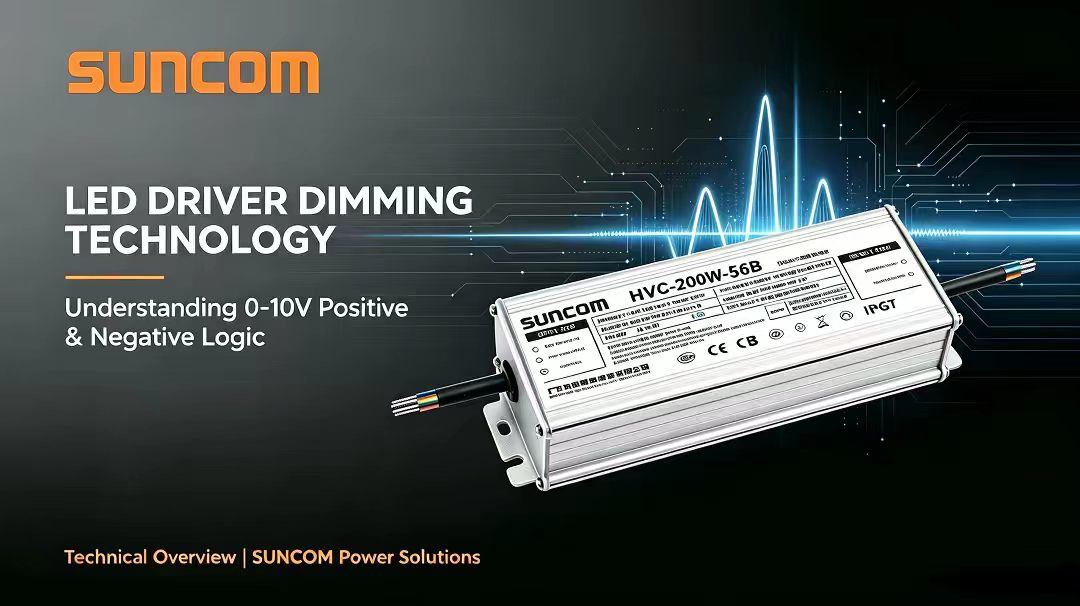
This article explains the core principles of both dimming logics, their hardware implementations, and key practical considerations for field deployment.
Understanding Positive and Negative Logic Dimming in LED Driver
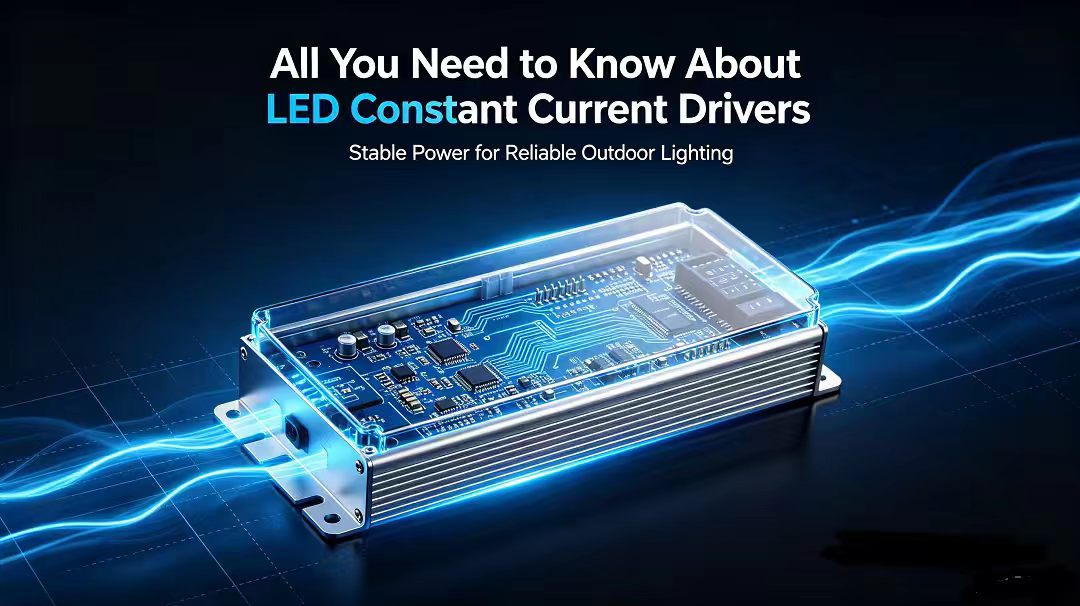
Understanding LED Constant Current LED driver for Outdoor Lighting
LED Constant Current Drivers: The Core Heart of Outdoor Luminaires