What's the Difference Between High Bay and Low Bay Lights
2024-03-19
Bay lights, whether high bay or low bay, are essential fixtures in commercial and industrial settings, illuminating expansive spaces with high ceilings. As the demand for specialized lighting solutions continues to surge, understanding the distinctions between these two types of fixtures becomes increasingly crucial.
In this comprehensive guide, we'll delve into the intricacies of high bay and low bay lights, dissecting their differences and similarities to empower you with the knowledge needed to make informed lighting decisions. Whether you're tasked with illuminating a sprawling warehouse, a bustling production facility, or a cavernous stadium, understanding the nuances between high bay and low bay lights is paramount in achieving optimal lighting performance. Join us as we unravel the mysteries surrounding these indispensable fixtures, equipping you with the insights necessary to navigate the world of commercial and industrial lighting with confidence.
In this comprehensive guide, we'll delve into the intricacies of high bay and low bay lights, dissecting their differences and similarities to empower you with the knowledge needed to make informed lighting decisions. Whether you're tasked with illuminating a sprawling warehouse, a bustling production facility, or a cavernous stadium, understanding the nuances between high bay and low bay lights is paramount in achieving optimal lighting performance. Join us as we unravel the mysteries surrounding these indispensable fixtures, equipping you with the insights necessary to navigate the world of commercial and industrial lighting with confidence.
What Is Bay Lighting?
Bay lighting refers to a type of commercial and industrial lighting specifically designed to illuminate large spaces with high ceilings. These spaces include warehouses, manufacturing facilities, gymnasiums, retail stores, and other similar environments. The term "bay" in bay lighting originates from the expansive open areas or bays found in these structures.
Bay lighting fixtures are characterized by their high lumen output and wattage, allowing them to effectively illuminate large areas from elevated positions. These fixtures are typically installed on ceilings or rafters, providing ample light coverage across wide expanses without the need for numerous individual light fixtures.
Bay lighting fixtures come in various types, including high bay lights and low bay lights, each tailored to different ceiling heights and lighting requirements. High bay lights are suitable for ceilings exceeding 20 feet in height, while low bay lights are designed for ceilings ranging from 12 to 20 feet in height.
Key features of bay lighting fixtures include durability, energy efficiency, and the ability to provide uniform illumination across large areas. Many bay lighting fixtures are now transitioning to LED technology, offering benefits such as longer lifespan, lower energy consumption, and better light quality compared to traditional lighting sources like fluorescent or metal halide.
Bay lighting fixtures are characterized by their high lumen output and wattage, allowing them to effectively illuminate large areas from elevated positions. These fixtures are typically installed on ceilings or rafters, providing ample light coverage across wide expanses without the need for numerous individual light fixtures.
Bay lighting fixtures come in various types, including high bay lights and low bay lights, each tailored to different ceiling heights and lighting requirements. High bay lights are suitable for ceilings exceeding 20 feet in height, while low bay lights are designed for ceilings ranging from 12 to 20 feet in height.
Key features of bay lighting fixtures include durability, energy efficiency, and the ability to provide uniform illumination across large areas. Many bay lighting fixtures are now transitioning to LED technology, offering benefits such as longer lifespan, lower energy consumption, and better light quality compared to traditional lighting sources like fluorescent or metal halide.

High Bay Vs Low Bay LED Lights
Wattage and Lumens in Bay Lights
The brightness and spread of light from bay lights are determined by their wattage and lumens. Wattage indicates the power consumed by the bulb, while lumens measure the light output. It's crucial to consider these metrics when selecting bay lights to ensure proper illumination.
High bay lights typically have wattages of 150W or higher, providing a strong light source. In contrast, low bay lights usually range between 60W and 100W, offering a more moderate brightness level.
Low bay lights have fewer lumens due to less light loss over shorter distances to the floor. On the other hand, high bay lights emit higher lumen outputs to cover larger distances. High bays typically produce 15,000 lumens or more, while low bays range from 8,000 to 15,000 lumens.
Beam Angles
High bay lights feature narrower beam angles, usually between 50 and 120 degrees, to concentrate light over longer distances. They utilize deep reflectors to focus light downward efficiently.
Low bay lights have wider beam angles, typically 120 degrees or more, illuminating larger floor areas. They employ shallower and more diffused lenses for even light distribution both downward and outward.
Mounting Options
Bay lights can be surface-mounted directly onto the ceiling or suspended using various methods such as cables, hooks, or chains.
High bay lights often require suspension mounting due to the height of the ceilings they're designed for, usually over 20 feet.
Low bay lights can be both surface and suspended mounted, offering flexibility based on ceiling height and aesthetic preferences.
Spacing
Optimal spacing for bay lights depends on ceiling height to ensure sufficient coverage without creating shadows or glare.
For low bays, fixtures should ideally be spaced 12-14 feet apart, while high bays can be spaced 15-25 feet apart at heights of 20-25 feet, and 30-40 feet apart at heights of 30-45 feet.
Applications
Low bay lights are commonly found in everyday commercial spaces like retail stores and workshops, while high bay lights are more suited for industrial environments such as warehouses and factories.
Understanding the differences between UFO and linear high bays is essential to choose the right fixture for specific applications and spaces.
LED Bulbs
To improve energy efficiency and cost-effectiveness, consider using LED bulbs for both high and low bay lighting. LEDs offer better quality light while consuming less power compared to traditional lighting options like metal halides. They are highly recommended for new installations or upgrades.

Which Bay Light Is Right for You?
Choosing the right bay light involves considering several factors to ensure it meets the specific needs of your space. Here's a step-by-step guide to help you make the right choice:
1.Understand Your Lighting Requirements: Determine the purpose of the lighting (e.g., general illumination, task lighting, accent lighting) and the area you need to illuminate.
2.Consider Ceiling Height: Bay lights are typically used in spaces with high ceilings. Determine the height of your ceiling as this will impact the type of bay light and its mounting options.
3.Evaluate Wattage and Lumens: Wattage measures the power consumption of the bulb, while lumens indicate the brightness output. Choose a wattage and lumen level suitable for your space's illumination needs. Higher wattages and lumens are suitable for larger areas or spaces with high ceilings.
4.Select the Right Beam Angle: Consider the beam angle of the bay light. Narrow beam angles are suitable for focused illumination over long distances, while wide beam angles provide broader coverage. Choose the beam angle based on the layout and size of your space.
5.Mounting Options: Determine whether you need surface-mounted or suspended bay lights based on your ceiling type and preferences. Ensure the mounting method is compatible with your space and provides the desired lighting distribution.
6.Spacing and Layout: Calculate the optimal spacing between bay lights to ensure uniform illumination without creating shadows or glare. Consider the layout of your space and the positioning of fixtures to achieve optimal lighting coverage.
7.Consider Energy Efficiency: Opt for energy-efficient bay lights, such as LED fixtures, to reduce energy consumption and operational costs while providing high-quality illumination. LEDs offer longer lifespan and better efficiency compared to traditional lighting options.
8.Review Additional Features: Look for additional features such as dimming capabilities, color temperature options, and durability factors like IP ratings for outdoor or harsh environment applications.
9.Budget and Quality: Determine your budget for bay lights and balance it with the quality of the fixtures. Invest in high-quality, durable fixtures that meet your lighting requirements and provide long-term value.
10.Research and Compare Products: Research different bay light brands, models, and specifications. Compare product features, reviews, and prices to make an informed decision.
1.Understand Your Lighting Requirements: Determine the purpose of the lighting (e.g., general illumination, task lighting, accent lighting) and the area you need to illuminate.
2.Consider Ceiling Height: Bay lights are typically used in spaces with high ceilings. Determine the height of your ceiling as this will impact the type of bay light and its mounting options.
3.Evaluate Wattage and Lumens: Wattage measures the power consumption of the bulb, while lumens indicate the brightness output. Choose a wattage and lumen level suitable for your space's illumination needs. Higher wattages and lumens are suitable for larger areas or spaces with high ceilings.
4.Select the Right Beam Angle: Consider the beam angle of the bay light. Narrow beam angles are suitable for focused illumination over long distances, while wide beam angles provide broader coverage. Choose the beam angle based on the layout and size of your space.
5.Mounting Options: Determine whether you need surface-mounted or suspended bay lights based on your ceiling type and preferences. Ensure the mounting method is compatible with your space and provides the desired lighting distribution.
6.Spacing and Layout: Calculate the optimal spacing between bay lights to ensure uniform illumination without creating shadows or glare. Consider the layout of your space and the positioning of fixtures to achieve optimal lighting coverage.
7.Consider Energy Efficiency: Opt for energy-efficient bay lights, such as LED fixtures, to reduce energy consumption and operational costs while providing high-quality illumination. LEDs offer longer lifespan and better efficiency compared to traditional lighting options.
8.Review Additional Features: Look for additional features such as dimming capabilities, color temperature options, and durability factors like IP ratings for outdoor or harsh environment applications.
9.Budget and Quality: Determine your budget for bay lights and balance it with the quality of the fixtures. Invest in high-quality, durable fixtures that meet your lighting requirements and provide long-term value.
10.Research and Compare Products: Research different bay light brands, models, and specifications. Compare product features, reviews, and prices to make an informed decision.
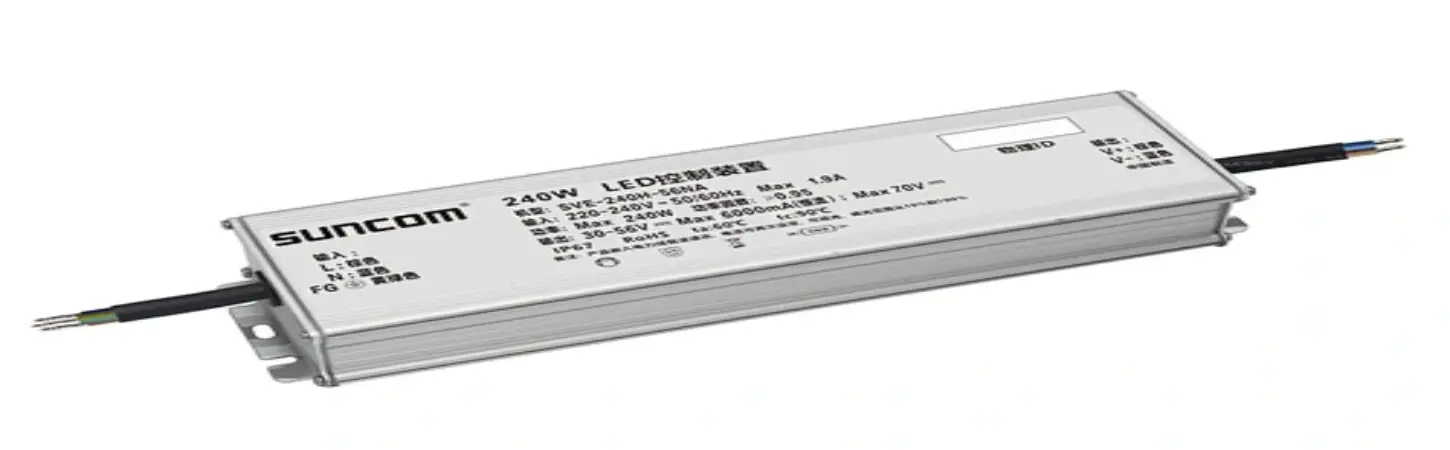
Shop at SUNCOM to find LED drivers for UFO high bay lights.
The Difference Between LED Drivers and Electronic Transformers
Differences Between Class 1 and 2 LED Drivers
Related Article
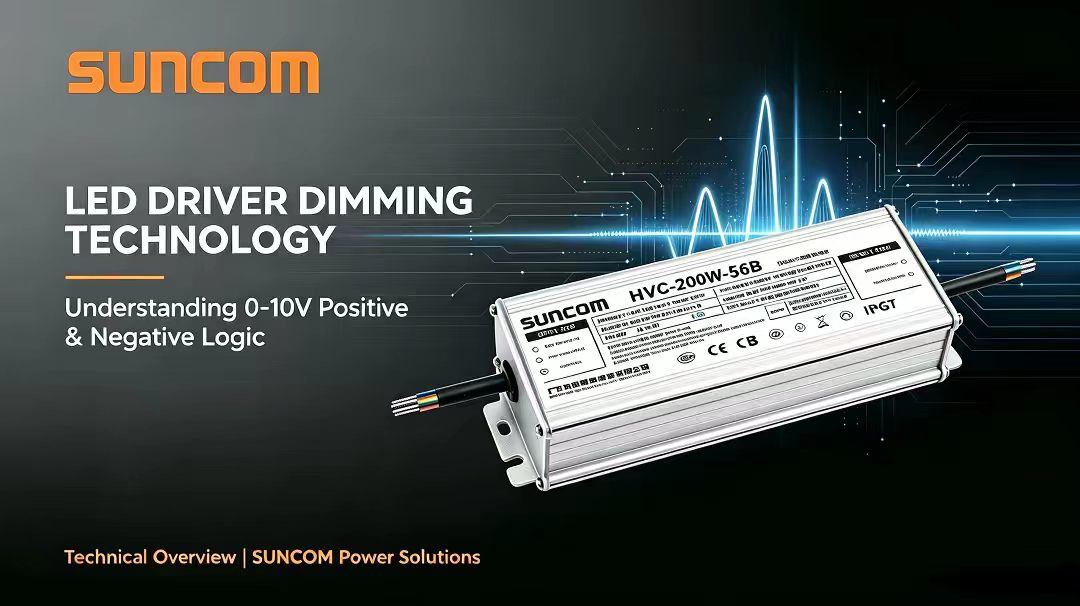
This article explains the core principles of both dimming logics, their hardware implementations, and key practical considerations for field deployment.
Understanding Positive and Negative Logic Dimming in LED Driver
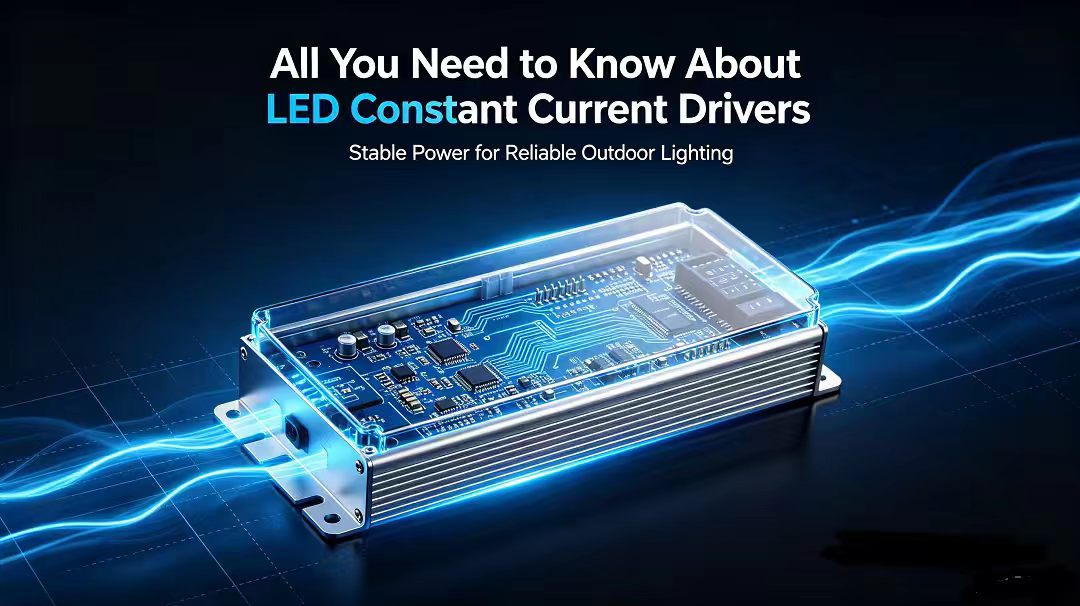
Understanding LED Constant Current LED driver for Outdoor Lighting
LED Constant Current Drivers: The Core Heart of Outdoor Luminaires